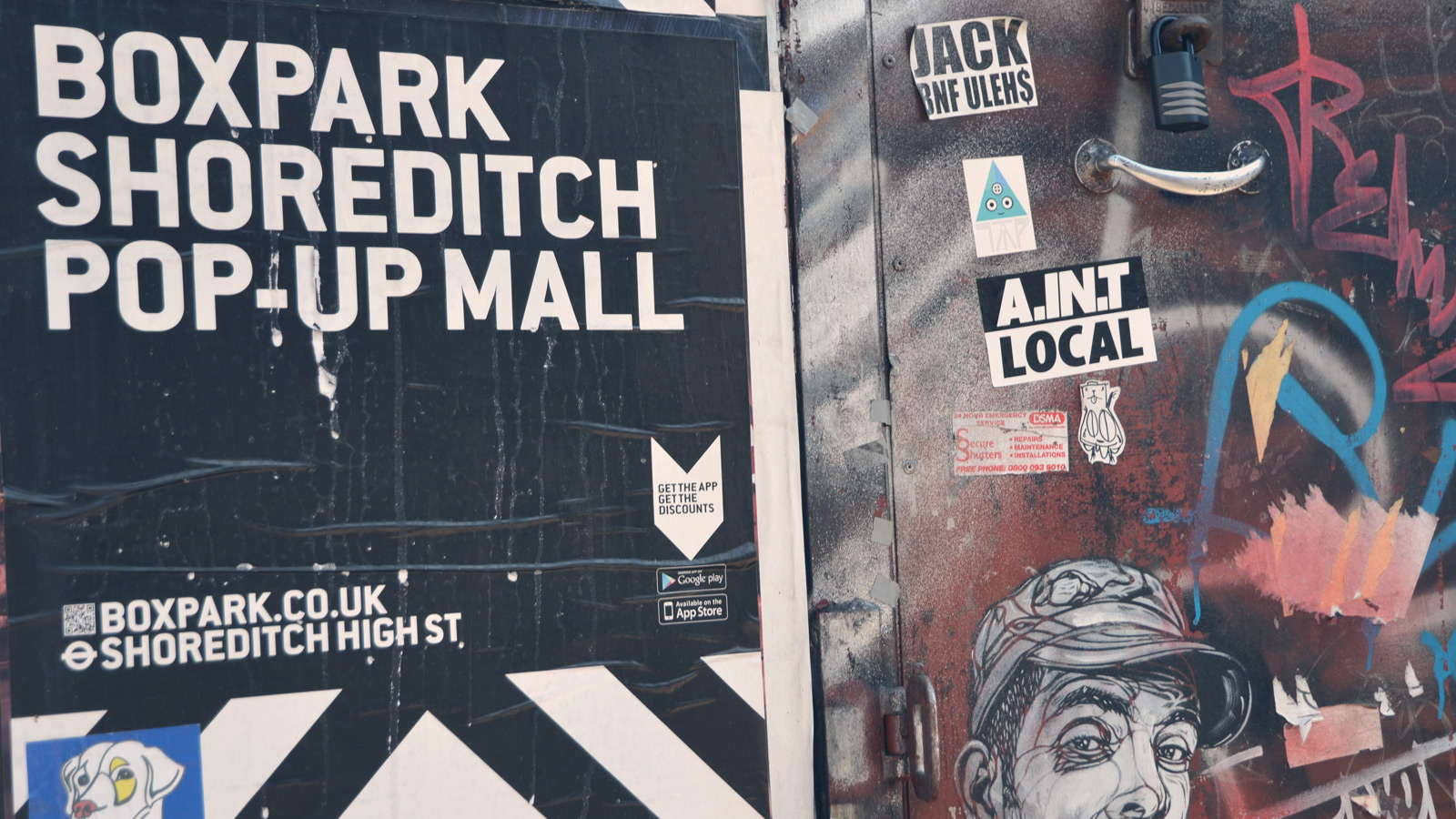
Brick Lane in the summer of 2014 was at that particular point in its evolution where it was simultaneously still genuinely scruffy and already intensely photographed. The street art was fresh and constantly refreshed — major pieces appearing overnight, layered over older work, creating a palimpsest of styles and messages that covered almost every available surface. Walking it on a Sunday was to navigate a market that spread off in every direction.
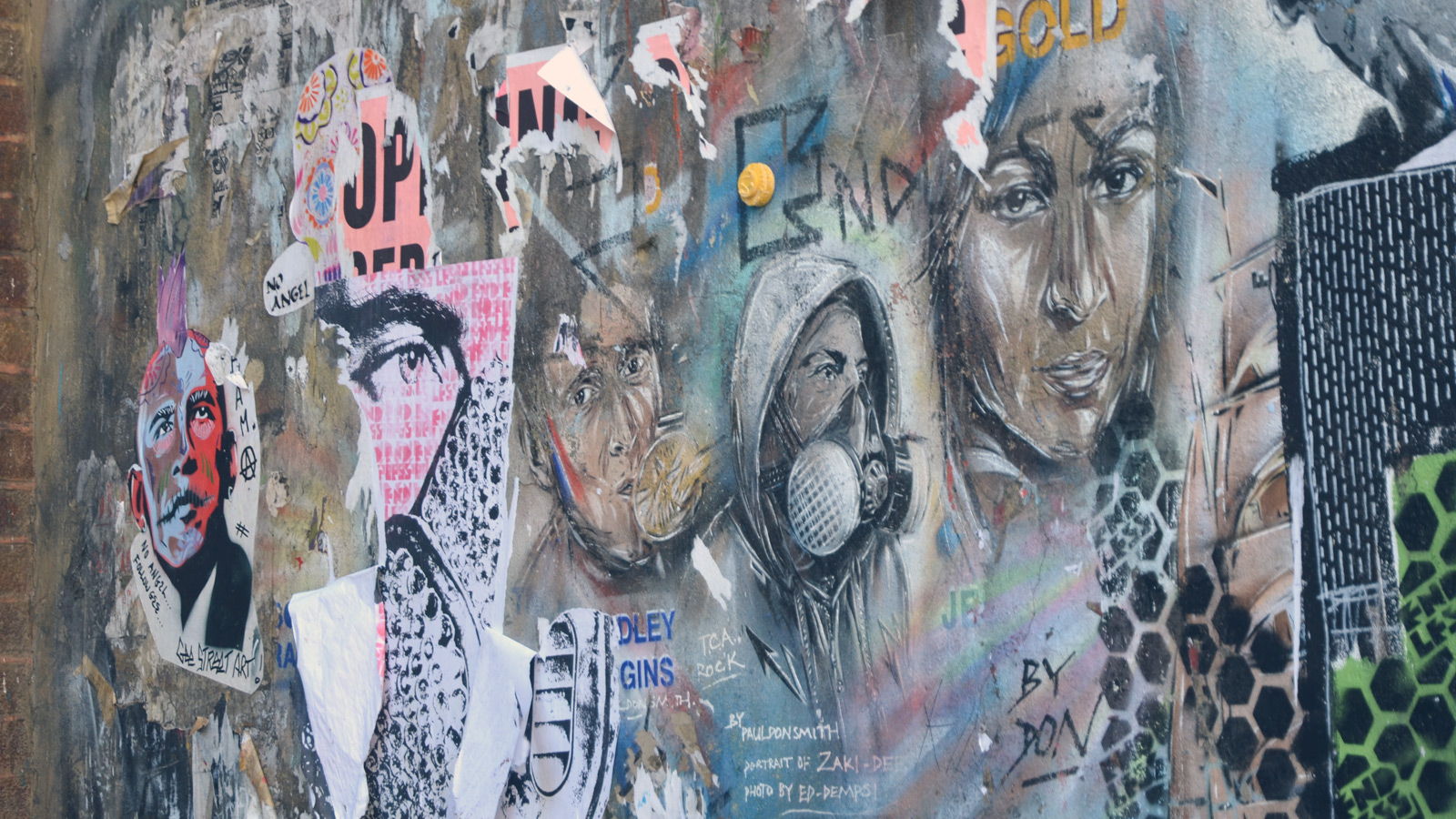
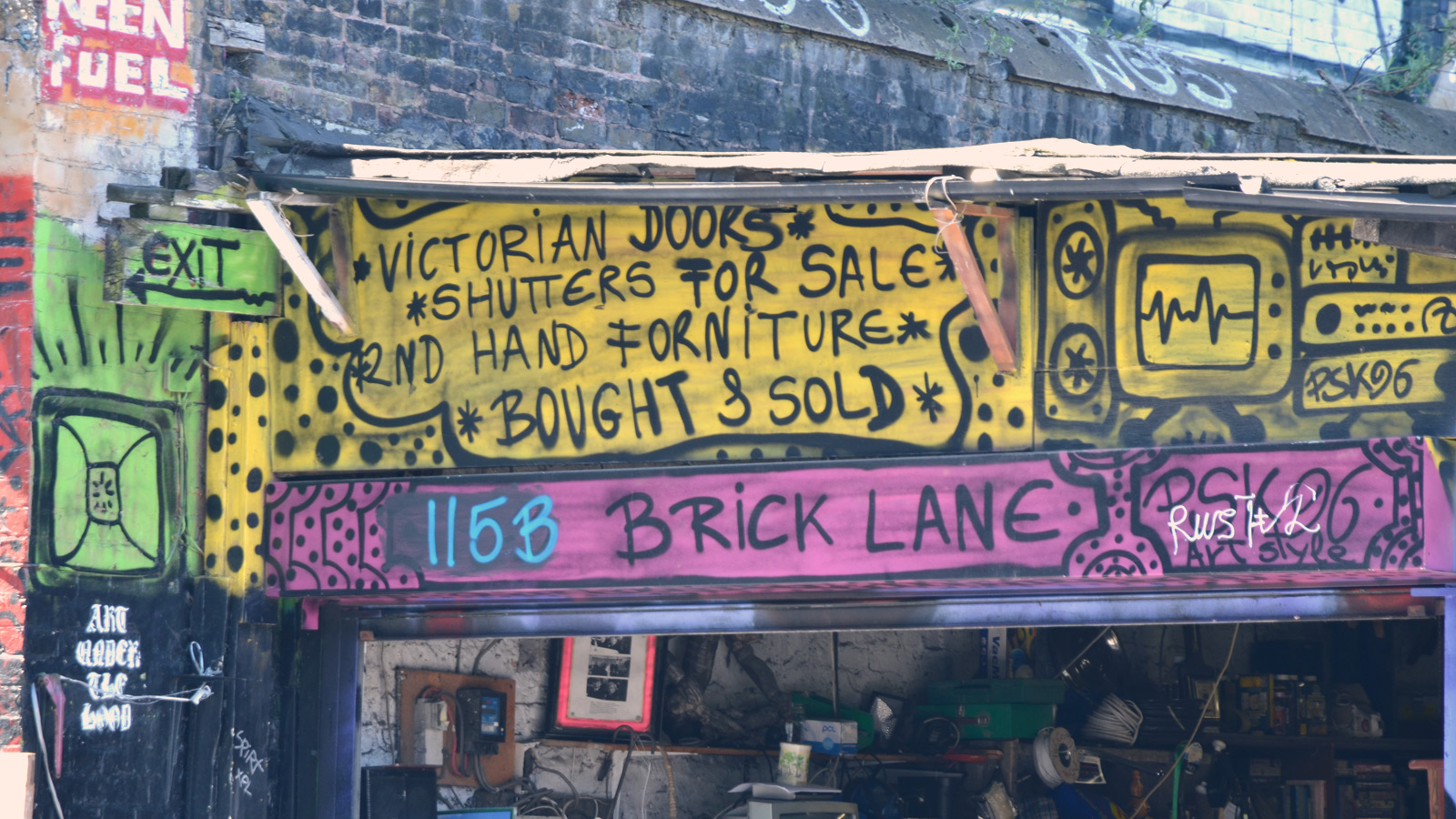
The Bangladeshi restaurant mile that gives the street its popular name runs south from Bethnal Green Road, and the touts outside each restaurant compete with genuine enthusiasm for your custom. Further north, the atmosphere shifts into vintage clothes, record shops, coffee places and the old Truman Brewery complex which had already become a hub for independent retail, events and street food. The two halves of Brick Lane don’t quite belong to the same city.
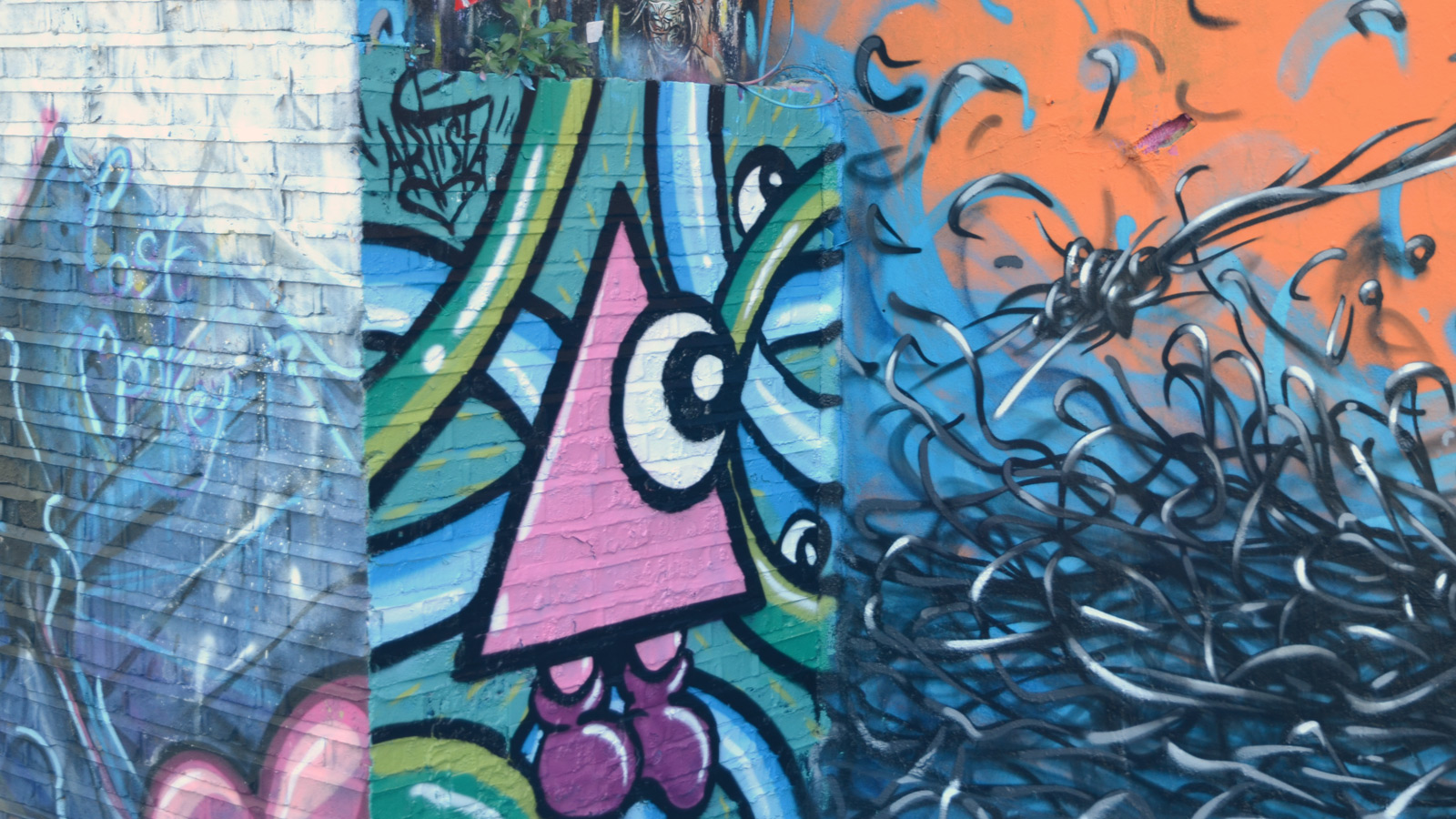
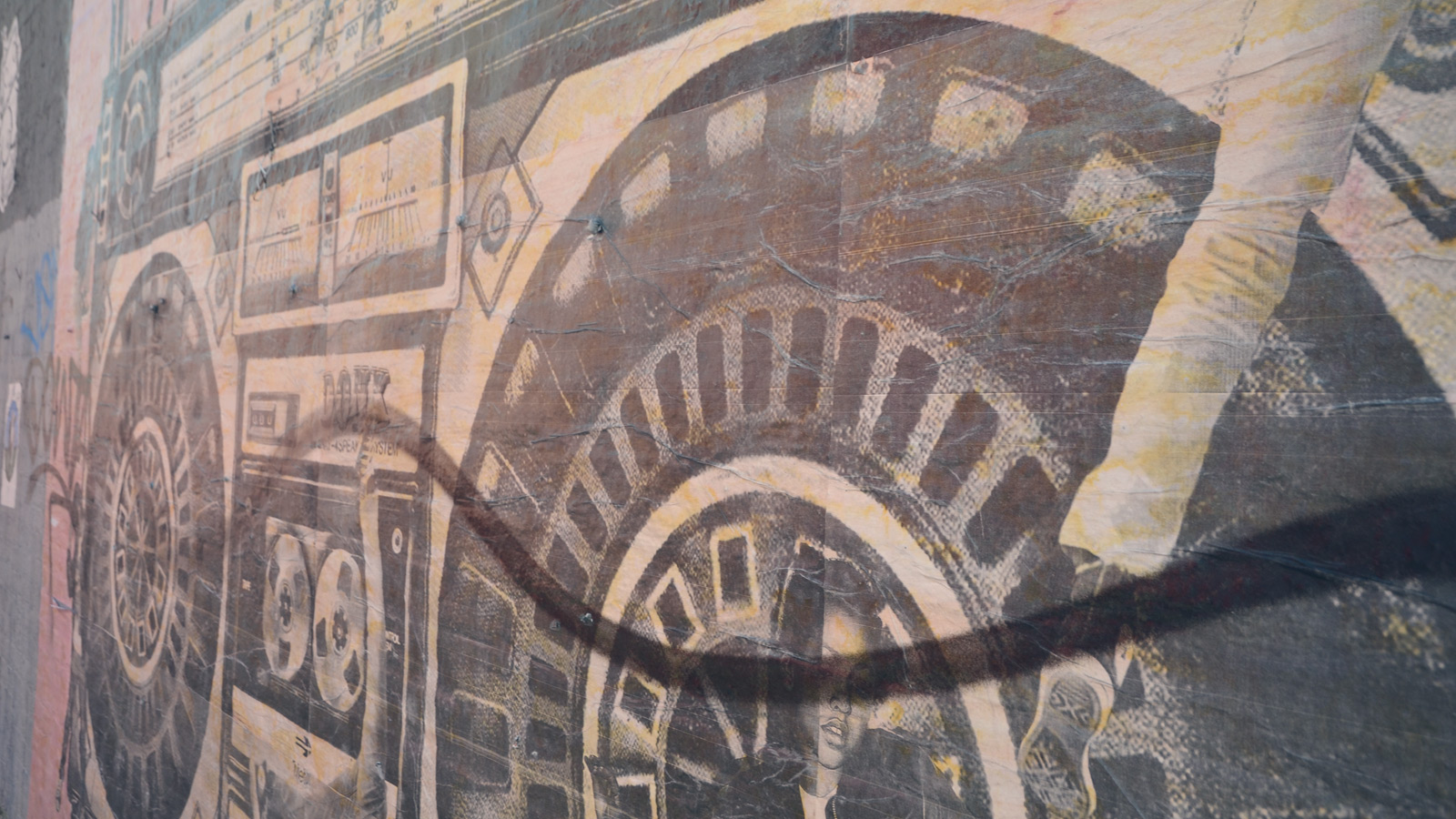
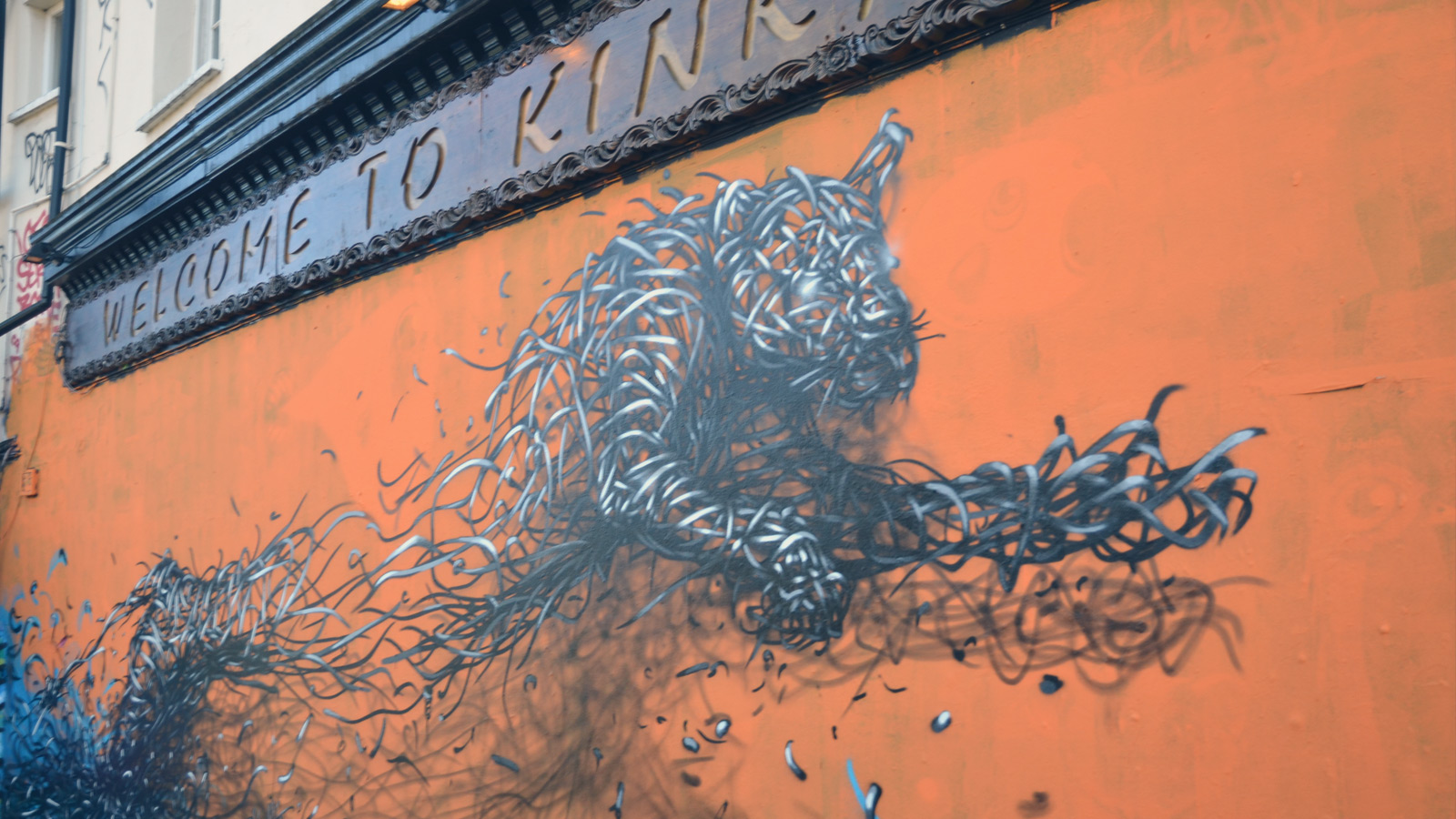
What made the street genuinely interesting to photograph was the layering — physical, cultural, temporal. Victorian industrial architecture with Bengali signage and paste-up art from the previous night. Old Spitalfields market a few streets away, the mosque that was once a synagogue that was once a Huguenot church. London’s east end has always absorbed and transformed, and Brick Lane is where that process is most visible. These photos are a particular moment in a neighbourhood that keeps changing.